

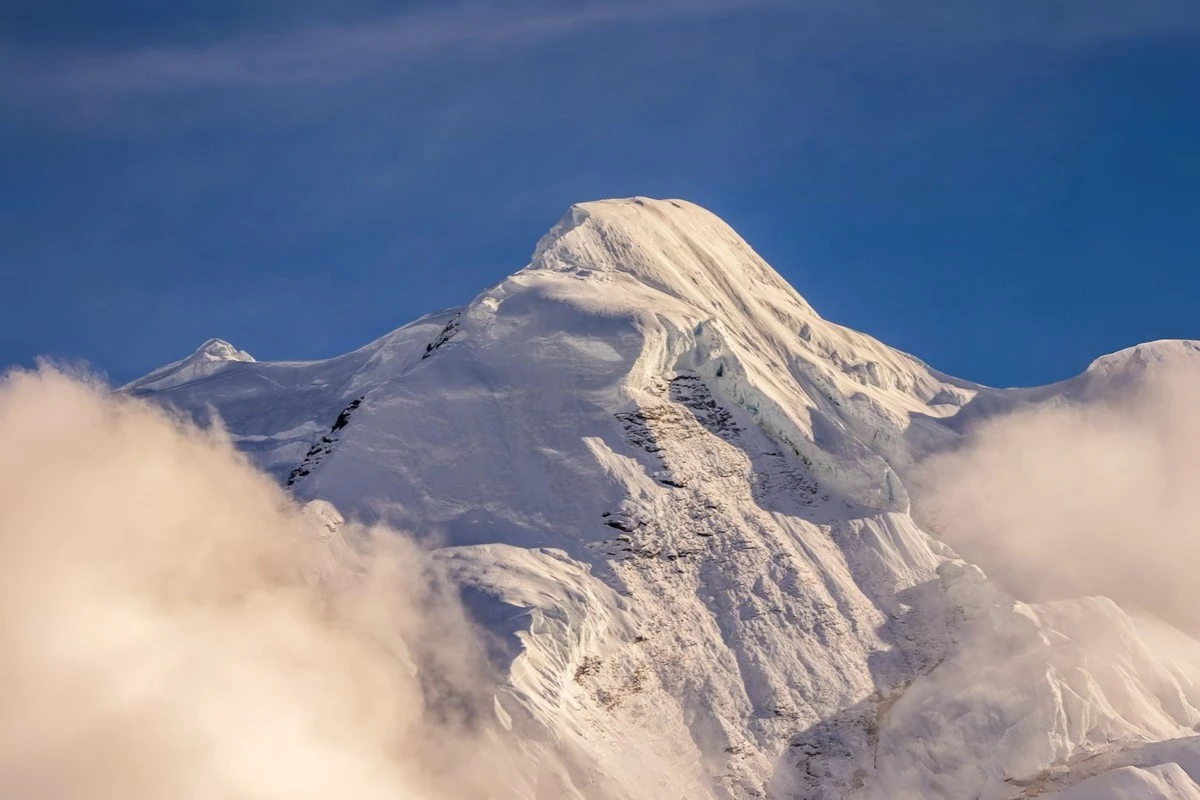
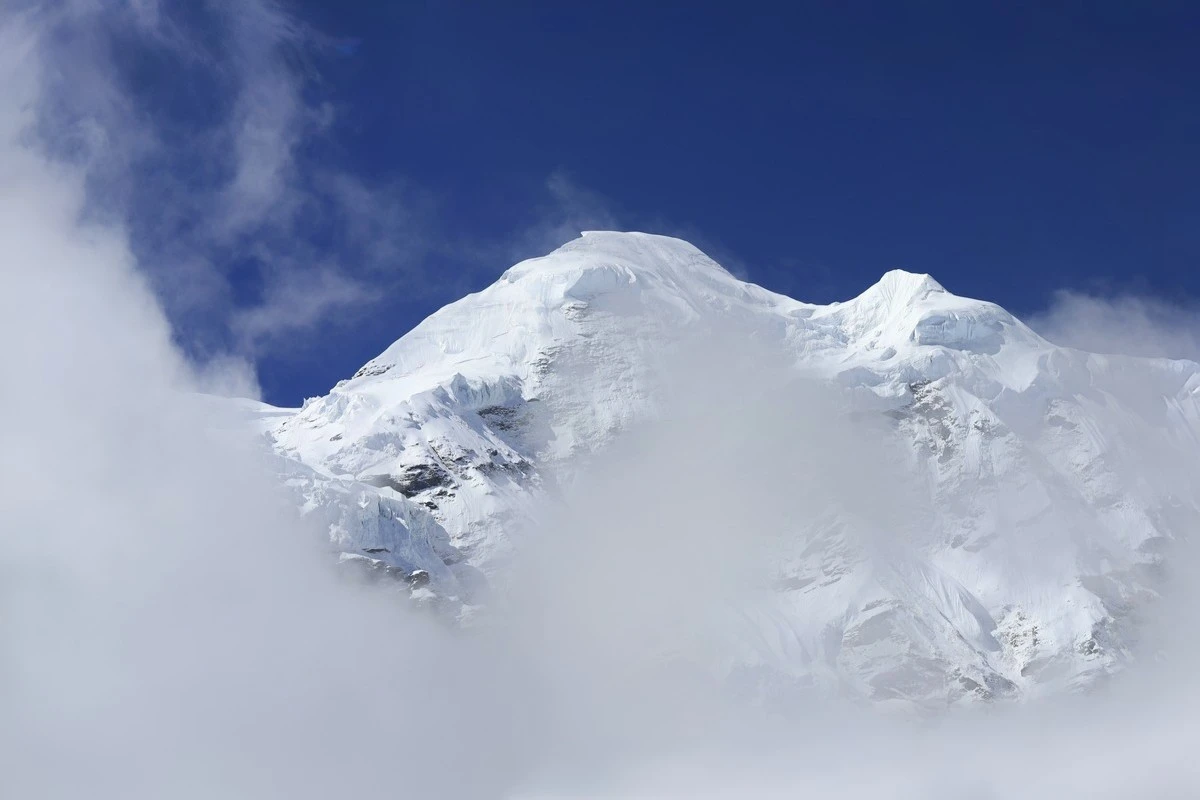
The Annapurna South Expedition, standing at 7,219 meters (23,684 feet), is one of the most thrilling and scenic high-altitude adventures in Nepal’s famous Annapurna Region. Also known as Annapurna Dakshin, this majestic peak lies south of the massive Annapurna I (8,091m) and contributes significantly to the iconic skyline of the Annapurna Sanctuary. Although it is not one of the 8,000-meter giants, Annapurna South poses a serious challenge due to its steep slopes, technical climbing sections, and exposure to rapidly changing Himalayan weather conditions. For experienced climbers looking to ascend a demanding peak with fewer crowds and rich cultural surroundings, this expedition is an ideal choice.
The journey begins with your arrival in Kathmandu, followed by a scenic flight or drive to Pokhara — the gateway to the Annapurna region. From there, the trek to base camp takes you through traditional Gurung villages like Ghandruk and Chhomrong, where you can immerse yourself in the warm local hospitality and learn about mountain life. The route passes through rhododendron forests, terraced fields, and deep river valleys before entering the high alpine zone of the Annapurna Sanctuary. This gradual ascent allows proper acclimatization, an essential part of high-altitude climbing success.
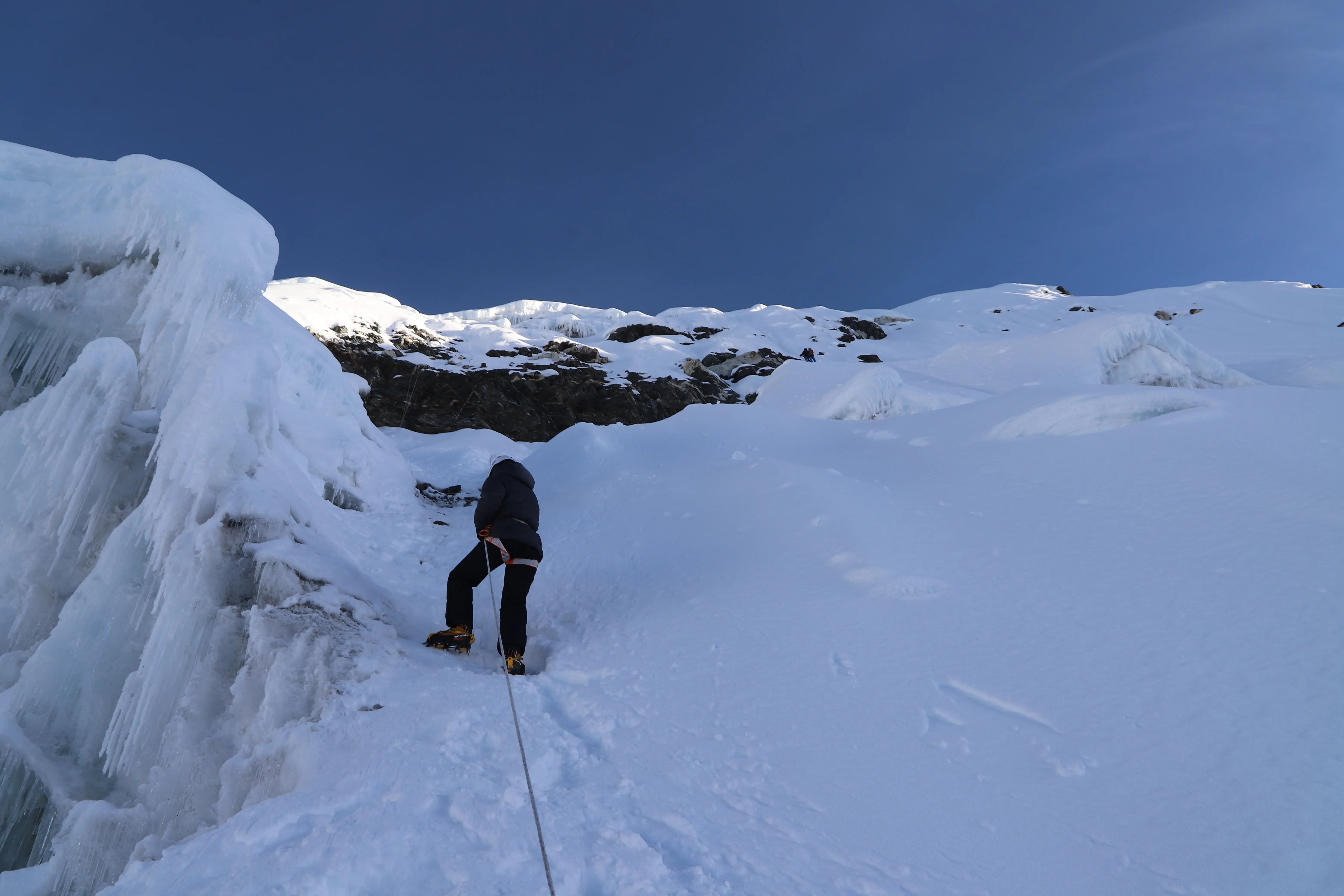
Upon reaching the base camp of Annapurna South, climbers begin acclimatization rotations and technical training. The climbing route generally includes establishing two or more high camps above base camp, depending on weather and team strength. The ascent involves traversing crevassed glaciers, steep snow and ice slopes, and narrow ridgelines. Use of fixed ropes, ice axes, crampons, and harnesses is mandatory, and climbers must be physically and mentally prepared for long hours in extreme conditions. Although the mountain is not as high as Everest or Dhaulagiri, its technical difficulty and remote setting require strong mountaineering skills, teamwork, and proper preparation.
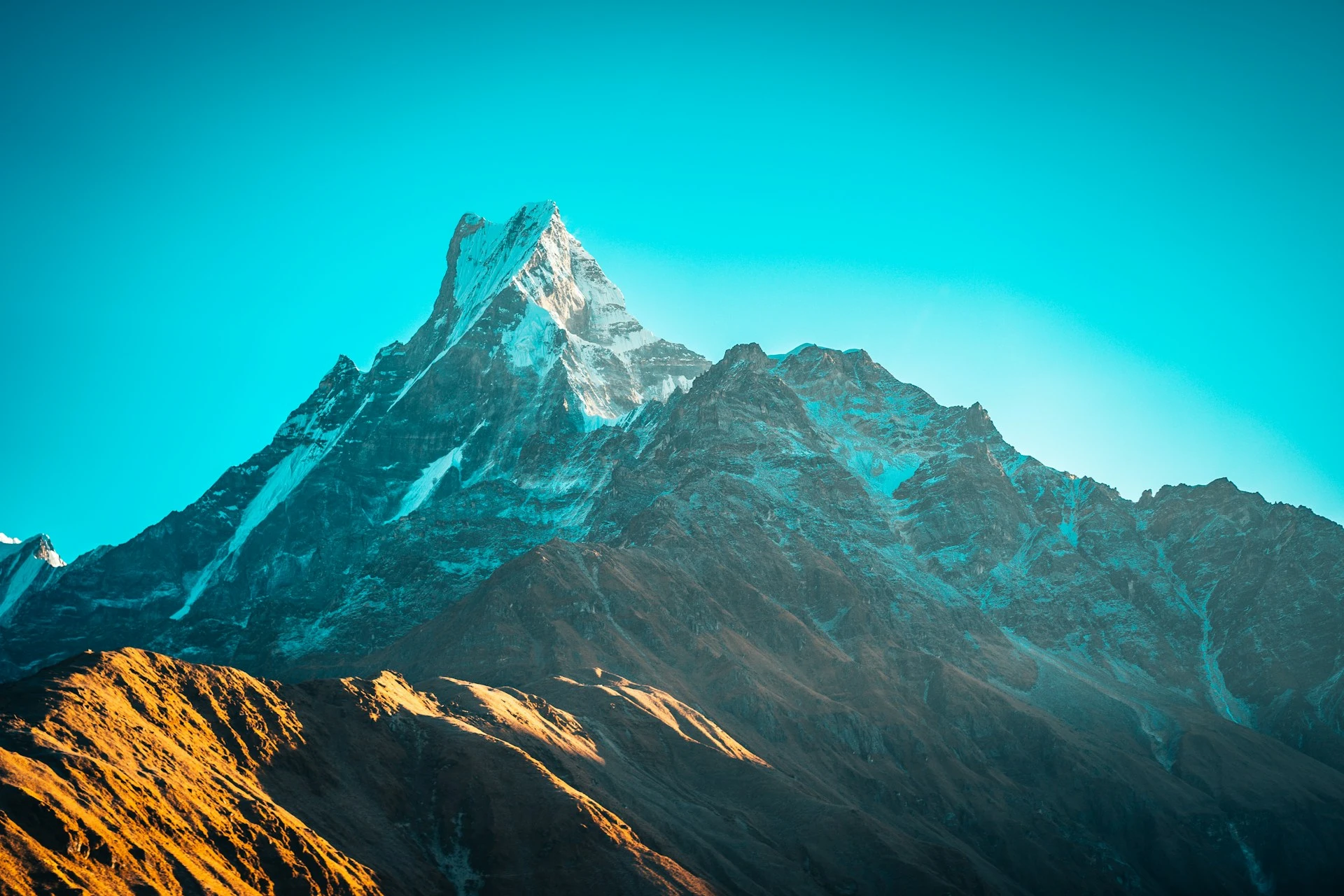
What sets this expedition apart is the combination of a serious alpine challenge with awe-inspiring scenery. The panoramic views from Annapurna South are simply breathtaking — offering clear sights of Machapuchare (Fishtail), Hiunchuli, Annapurna I, and beyond. The experience of standing on a Himalayan summit after weeks of effort and preparation is unmatched, and climbers often describe the journey as life-changing.
Annapurna South is also valued for its relatively low traffic compared to more commercial routes. You are less likely to encounter large crowds, giving the expedition a sense of peace and authenticity. This makes it a perfect option for climbers preparing for future 8,000-meter peaks or those looking for a serious Himalayan challenge without the bustle of Everest.
Overall, the Annapurna South Expedition is a beautiful blend of technical mountaineering, cultural exploration, and natural beauty. It requires dedication, prior high-altitude experience, and good physical fitness, but offers one of the most rewarding adventures in Nepal. With expert guidance, logistical support, and a clear plan for acclimatization and safety, Annapurna South promises a truly unforgettable journey into the heart of the Himalayas.


You’ll be received at Tribhuvan International Airport and transferred to your hotel in Kathmandu. Rest and relax after your flight. In the evening, a brief orientation about the expedition.
Max Alt.


Attend a pre-climb briefing at the Tourism Department. Team meeting, equipment check, and permit arrangement.
Max Alt.


Last minute of shopping for the expedition and packing. There will be meetings with team members in the upcoming days before heading towards Annapurna.
Max Alt.
Hotel
Breakfast

Enjoy a scenic drive (6–7 hours) or a short flight (25 min) to Pokhara. Explore lakeside or prepare for the trek.
Max Alt.


Drive 1.5 hours to Nayapul, then trek through terraced fields and charming villages to Ghandruk, a beautiful Gurung settlement.
Max Alt.


You hike through forests and cross suspension bridges. Chhomrong is a key gateway village to the Annapurna region.
Max Alt. 2,600m
Tea House
Breakfast, Lunch, Dinner
The trail becomes quieter and more forested. You walk along river valleys and enjoy the peaceful nature.
Max Alt. 2600m
Tea House
Breakfast, Lunch, Dinner
The landscape changes dramatically. You leave dense forests and enter alpine terrain with stunning views of Machhapuchhre.
Max Alt. 3700 m
Tea House
Breakfast, Lunch, Dinner
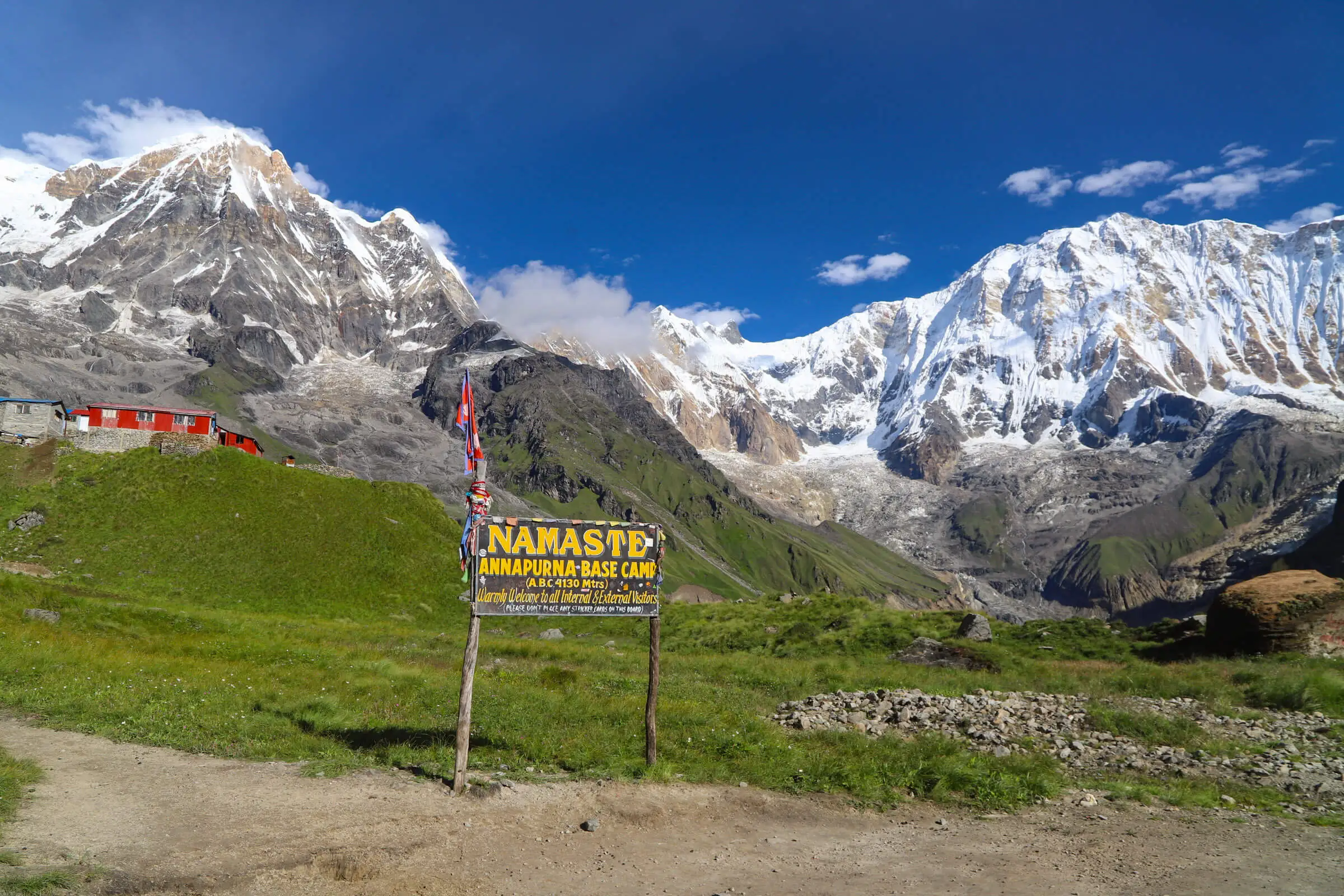
You reach the famous amphitheater surrounded by peaks, including Annapurna I.
Max Alt. 4130 m
Tented Camp
Breakfast, Lunch, Dinner
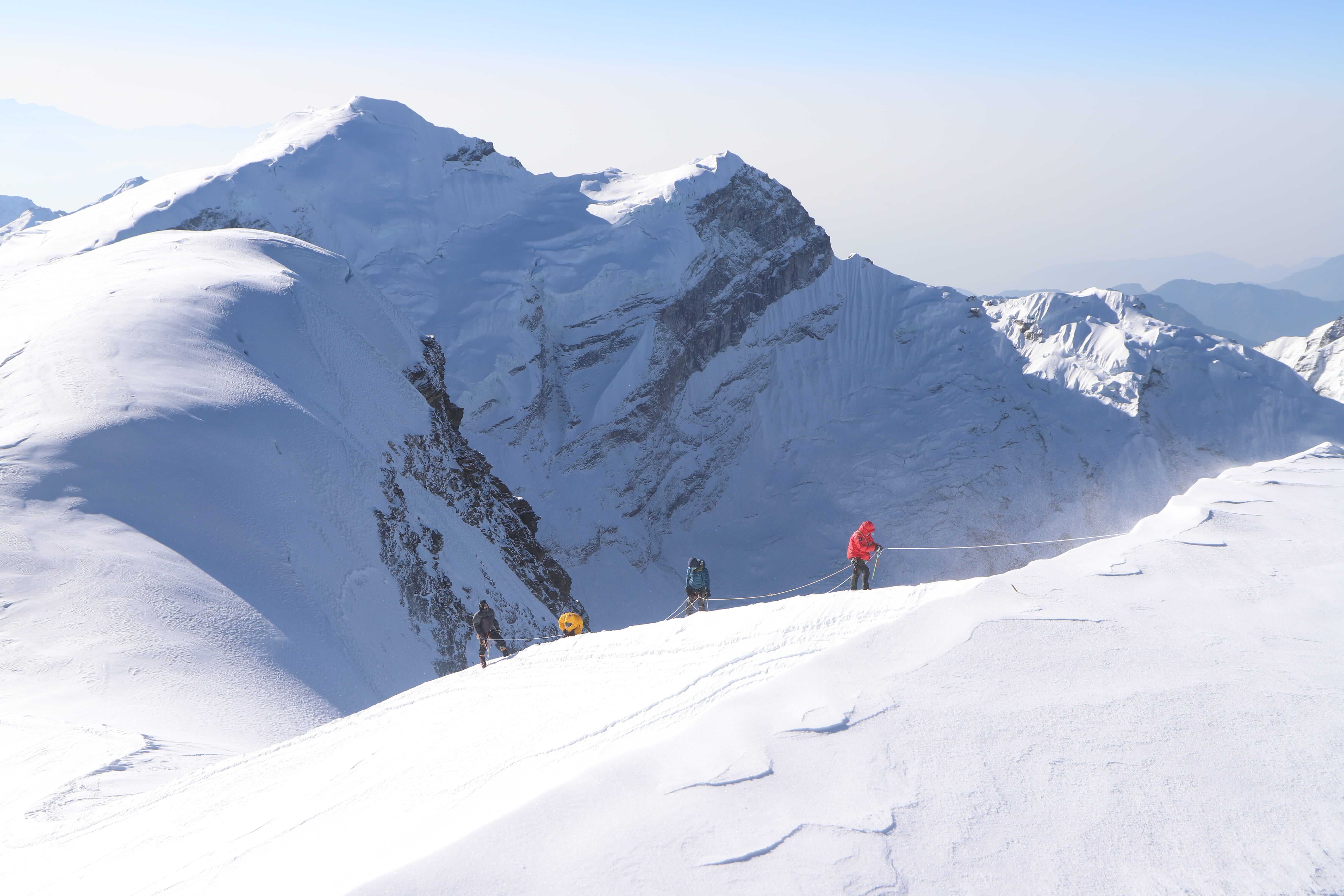
The climbing phase begins from Base Camp after proper acclimatization and training. The route to Camp I involves moving across glacier terrain and gradually ascending snow slopes. From Camp I, the route becomes steeper and more technical. Climbers navigate the mixed terrain of snow and ice, often using fixed ropes for safety. Weather conditions can change quickly, and strong winds are common. Camp II is placed in a more exposed location, so careful movement and teamwork are essential. The ascent to Camp III involves steep snow slopes and potentially icy sections that require proper use of crampons, ice axes, and fixed lines. Oxygen levels are significantly lower here, and climbers move slowly to conserve energy. The summit push typically begins late at night or in the early hours before dawn. Climbers aim to take advantage of stable snow conditions and reduced avalanche risk. Every step requires focus, as fatigue and altitude slow progress. Reaching the summit is a rewarding moment after days of effort and preparation. From the top, climbers are greeted with panoramic views of the Annapurna range, including nearby Himalayan giants. Due to weather and safety concerns, time spent on the summit is usually short before beginning the descent. After the summit, climbers carefully descend back to Camp III or Camp II, depending on conditions and energy levels. The descent is just as important as the ascent.
Max Alt. 7,219 m
Tented Camp
Breakfast, Lunch, Dinner
Descent from Annapurna South Basecamp to Dovan offers trekkers a journey through the diverse ecosystem of the Annapurna. As you descent the air becomes warmer. Along the trail, trekkers are offered the peaceful and quiet sounds of Modi Khola.
Max Alt.
Tea House
Breakfast, Lunch, Dinner
Trek from Dovan to Jhinu usually takes 4-5 hours of walking. Along the trail, trekkers can enjoy the beautiful mountain vistas and small villages.
Max Alt.
Tea House
Breakfast, Lunch, Dinner
Trek from Jhinu Danda to Nayapul offers a blend of natural and cultural beauty. After the walk of 3-4 hours, drive back to Phokhara. At night, you can enjoy the view of Fewa Lake.
Max Alt.
Hotel
Breakfast, Lunch, Dinner
From Pokhara to Kathmandu it takes 7 hours of driving and an overnight in Kathmandu.
Max Alt.
Hotel
Breakfast
You can go sightseeing around the Kathmandu Valley and shopping. At night, there will be a farewell dinner at the hotel.
Max Alt.
Hotel
Breakfast
Max Alt.
Hotel
Breakfast


Airport transfers (arrival & departure)
Domestic flights and ground transportation as per itinerary
3-star hotel in Kathmandu and Pokhara (with breakfast)
All meals during the expedition (B/L/D)
Licensed and experienced expedition guide and Sherpa team
Climbing permit for Annapurna South
TIMS (Trekkers' Information Management System) card
National park entry fees
All necessary camping and climbing equipment (tents, ropes, etc.)
Cook and kitchen staff during base camp stay
Porters for equipment and personal baggage
Comprehensive medical kit
Oxygen bottles and regulator (emergency use only)
International airfare and Nepal visa fee
Personal travel and rescue insurance
Extra meals and beverages in Kathmandu/Pokhara
Personal climbing gear (boots, harness, crampons, etc.)
Tips for guide, porters, and crew
Costs due to unforeseen circumstances (weather, flight delays, etc.)
Additional nights in Kathmandu or Pokhara beyond itinerary
Annapurna South, also known as Annapurna Dakshin, is a towering...
Base layers (long-sleeve shirt and pants) made of moisture-wicking material
The waterproof and breathable outer layer (jacket and pants)
Warm hat, gloves, and scarf or neck gaiter
Mountaineering boots
Crampons
Ice Axe
Climbing Harness and Helmet
Trekking Poles
Climbing essentials hardware
Sleeping bag
Water bottles and water purification
Daypack 45-60 liters


Country
Duration
Booking Open
(10 Reviews)
40 Days
Nepal
From $13500
Country
Duration
Booking Open
(5 Reviews)
19 Days
Nepal
From $2399
Country
Duration
Booking Open
(5 Reviews)
60 Days
Nepal
From $45000
Country
Duration
Booking Open
(5 Reviews)
18 Days
Nepal
From $2399
Country
Duration
Booking Open
(5 Reviews)
9 Days
Nepal
From $700
Country
Duration
Booking Open
(5 Reviews)
14 Days
Nepal
From $1299
Country
Duration
(0 Review)
15 Days
Nepal
From $2499
Country
Duration
Booking Open
(10 Reviews)
38 Days
Nepal
From $8500
Country
Duration
Booking Open
(5 Reviews)
45 Days
Nepal
From $14999
Country
Duration
(0 Review)
56 Days
Nepal
From $26599
Country
Duration
(0 Review)
47 Days
Nepal
From $16000
Country
Duration
Booking Open
(5 Reviews)
3 Days
Nepal
From $650
Country
Duration
Booking Open
(2 Reviews)
12 Days
Nepal
From $1300

Country
Duration
Booking Open
(5 Reviews)
3 Days
Nepal
From $650
Country
Duration
Booking Open
(5 Reviews)
8 Days
Nepal
From $3800
Country
Duration
(0 Review)
38 Days
Tibet
From $30500
Country
Duration
Booking Open
(5 Reviews)
22 Days
Nepal
From $5500
Country
Duration
Booking Open
(5 Reviews)
17 Days
Nepal
From $2399

Country
Duration
(4 Reviews)
39 Days
Nepal and Tibet
From $25500
Country
Duration
Booking Open
(5 Reviews)
28 Days
Nepal
From $4999
Country
Duration
Booking Open
(5 Reviews)
3 Days
Nepal
From $650
Country
Duration
(0 Review)
24 Days
Nepal
From $4000
Country
Duration
(4 Reviews)
16 Days
Nepal
From $1999
Country
Duration
Booking Open
(0 Review)
30 Days
Nepal
From $15000
Country
Duration
(0 Review)
16 Days
Nepal
From $3499
Country
Duration
(7 Reviews)
9 Days
Tibet
From $1650
Country
Duration
Booking Open
(0 Review)
55 Days
Nepal
From $15000

Country
Duration
(0 Review)
1 Days
Nepal
From $250

