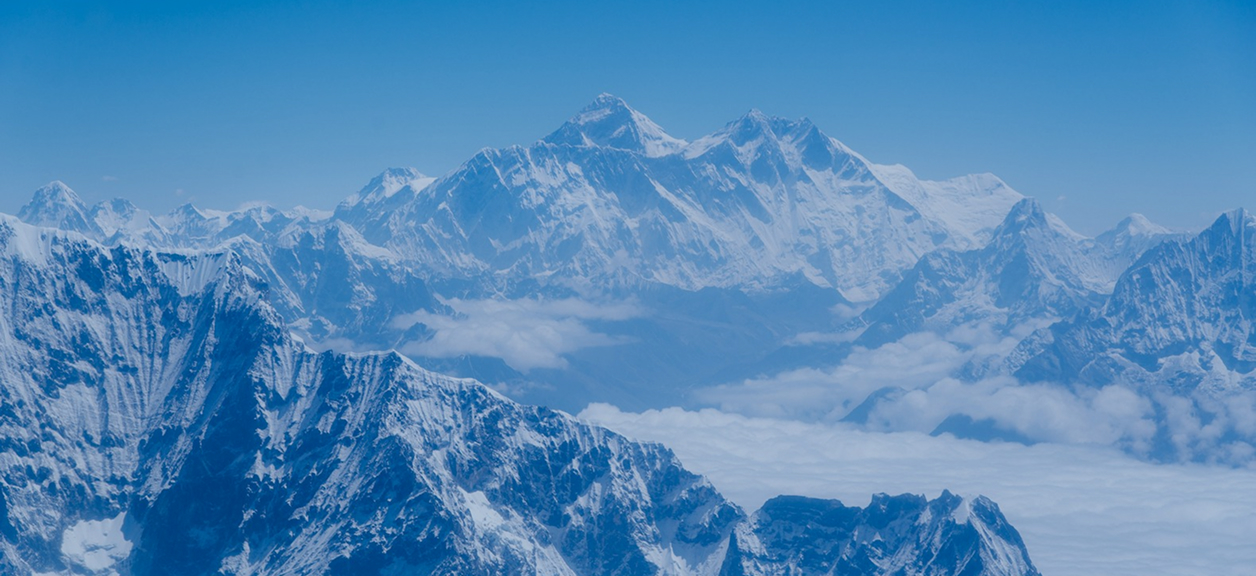
Rising elegantly above the Khumbu Valley, Ama Dablam (6,812 m) is often called the Matterhorn of the Himalaya. Ama Dablam means Mother Necklace. The "Ama refers to Mother, and Dablam refers to the hanging glaciers 'Necklace, not just for its dramatic shape, but for the technical challenge and beauty it offers climbers from around the world. In 2026, this iconic Himalayan peak continues to attract experienced mountaineers seeking a perfect balance of adventure, skill, and reward.
Climbing Ama Dablam is not just about reaching the summit; it is a journey through ice, rock, and exposed ridgelines, framed by breathtaking views of Everest, Lhotse, and Makalu. From the cultural heart of the Sherpa homeland to the demanding southwest ridge, every step of the expedition tests endurance, preparation, and mental strength.
This guide to Climbing Ama Dablam 2026 covers everything you need to know, including the best seasons, routes, difficulty level, required experience, permits, costs, acclimatization, safety measures, and essential gear. Whether you are planning your first technical Himalayan climb or adding a world-class peak to your mountaineering portfolio, this article will help you prepare confidently and climb responsibly.
Mountain Height: 6,812 meters ( 22,349 feet) above sea level
Location: Ama Dablam is located in the Khumbu Region of eastern Nepal, within Sagarmatha National Park.
Duration: It takes 28-32 days.
Difficulty Level: Ama Dablam is classified as a technical and challenging peak, suitable only for experienced climbers.
Best season:
The best seasons to climb Ama Dablam are the spring and autumn seasons, when weather conditions are most stable and climbing success rates are highest.
Spring Season (April–May) – Best Overall
- Stable weather and longer daylight hours
- Slightly warmer temperatures at higher camps
- Excellent snow and ice conditions on technical sections
- Ideal for acclimatization and summit pushes
- Spring is considered the prime season for Ama Dablam expeditions.
Autumn Season (October–November) – Most Popular
- Clear skies and stunning mountain views
- Cold but stable conditions after the monsoon
- High climbing traffic due to peak trekking season
- Crisp weather with strong winds at higher elevations
Winter & Monsoon season (Not Recommended)
Winter (Dec–Feb): Extreme cold, heavy snow, and strong winds
Monsoon (Jun–Sep): Heavy rainfall, poor visibility, and avalanche risk
1. Iconic Himalayan Peak – Ama Dablam (6,812 m) is renowned as the Matterhorn of the Himalayas for its striking pyramid shape and dramatic ridgelines.
2. Challenging Technical Climb – A classic alpine ascent involving rock, ice, and mixed climbing on the famous Southwest Ridge.
3. Spectacular Mountain Views – Panoramic vistas of Everest, Lhotse, Nuptse, Makalu, and Cho Oyu throughout the expedition.
4. Well-Established High Camps – Carefully positioned camps ensure effective acclimatization and safer summit attempts.
5. Rich Sherpa Culture Experience – Trek through Namche Bazaar, Pangboche, and Dingboche, experiencing monasteries and Himalayan traditions.
6. Perfect Balance of Altitude & Skill – Offers intense technical climbing at high altitude without the extreme duration of 8,000-meter peaks.
7. Expert Sherpa & Guide Support – Professional guidance, fixed ropes, and strong safety measures throughout the climb.
8. Outstanding Photography Opportunities – Dramatic landscapes, sunrise views, and close-up Himalayan scenery.
1. Ama Dablam Climbing Permit
2. Sagarmatha National Park Entry Permit
3. Khumbu Pasang Lhamu Rural Municipality Permit
4. TIMS card
Day-1: Arrival in Kathmandu (1,400m)
Day-2: Expedition preparation and gear check
Day-3: Fly to Lukla (2,860m) - trek to Phakding (2610m)
Day-4: Trek to Namche Bazaar (3440m)
Day-5: Acclimatization Day in Namche Bazaar
Day-6: Trek to Debuche (3820m)
Day-7: Trek to Pangboche (3,985m)
Day-8: Acclimatization and training in Pangboche
Day-9: Trek to Ama Dablam Basecamp ( 4570m)
Day-10: Rest and Climbing Training at Base Camp
Day-11: Load Ferry to camp1, Return to Basecamp (5,700m)
Day-12-24: Climbing Period - Summit Rotation and Push (up to 6,812m)
Day 25: Descend to Pangboche
Day-26: Trek to Namche Bazaar
Day 27: Trek to Lukla
Day 28: Fly Back to Kathmandu
Day-29: Buffer/Leisure Day in Kathmandu
Day-30: Final Departure
Climbing Ama Dablam is a dream for mountaineers who seek more than just altitude. Often called the Matterhorn of the Himalayas, this iconic peak stands out for its stunning symmetry, sharp ridgelines, and commanding presence in the heart of the Khumbu region. Its beauty alone makes it one of the most photographed mountains in Nepal.
What truly sets Ama Dablam apart is its technical character. The climb demands solid skills in rock, ice, and mixed terrain, offering a rewarding challenge that tests both physical endurance and mental focus. Unlike many high-altitude peaks, success on Ama Dablam depends on technique, experience, and precision rather than sheer height.
Another compelling reason to climb Ama Dablam is the unmatched Himalayan scenery. Throughout the expedition, climbers are treated to close-up views of Everest, Lhotse, Nuptse, Makalu, and the surrounding Khumbu peaks, creating an unforgettable alpine atmosphere.
At 6,812 meters, Ama Dablam delivers the intensity and prestige of a major Himalayan expedition without the extended duration and extreme risks associated with 8,000-meter mountains. Combined with the cultural richness of Sherpa villages like Namche Bazaar and Pangboche, and the legendary Southwest Ridge route, climbing Ama Dablam becomes not just an ascent, but a complete Himalayan experience, challenging, beautiful, and deeply rewarding.
Climbing Ama Dablam is a thrilling adventure, but careful planning is key to a safe and successful expedition. Here’s a guide to help you organize your journey in 2026:
1. Choose the Right Season
The best time to climb Ama Dablam is spring (April–May) and autumn (October–November), when weather conditions are stable, visibility is high, and snow conditions are ideal for technical climbing.
2. Assess Your Skills & Experience
Ama Dablam is a technical peak. Climbers should have:
- Prior high-altitude trekking or climbing experience
- Skills in rock, ice, and mixed climbing
- Ability to handle steep, exposed ridges and fixed rope sections
3. Set Your Duration & Schedule
A full expedition typically takes 28–32 days, including:
- Trek to Base Camp (8–10 days)
- Acclimatization and rotation climbs (12–15 days)
- Summit push and descent (4–6 days)
- Weather contingency buffer (2–3 days)
4. Arrange Permits & Documentation
- Climbing Permit from the Nepalese government
- Sagarmatha National Park Entry Permit
- TIMS Card (Trekkers’ Information Management System)
5. Plan Your Gear & Equipment
Technical gear is essential: ice axe, crampons, ropes, harness, helmets, and high-altitude clothing. Sherpa teams can provide additional fixed ropes and support.
6. Physical & Mental Preparation
- Cardio and strength training for endurance
- Altitude training, if possible
- Mental preparation for exposure, weather challenges, and technical climbing
7. Choose a Reliable Expedition Operator
Expert guidance and Sherpa support are crucial for safety, route setting, and logistics. A professional operator ensures permits, camps, meals, and summit success are managed efficiently.
Ama Dablam is not a beginner-friendly mountain. Unlike trekking peaks such as Island Peak, Mera Peak, or Lobuche East, it is a highly technical climb that requires solid mountaineering skills. Beginners without prior experience in rock, ice, or mixed climbing should not attempt Ama Dablam, as the mountain involves:
- Steep, exposed ridges and hanging glaciers
- Technical rock and ice sections requiring crampons, ice axes, and ropes
- Long summit pushes lasting 12–16 hours from high camp
- High-altitude conditions above 6,000 meters, with risk of acute mountain sickness
What Beginners Can Do Instead
- Gain experience on trekking peaks like Island Peak (6,189 m), Mera Peak (6,476 m), or Lobuche East (6,119 m)
- Take mountaineering courses to learn rope work, ice climbing, and high-altitude techniques
- Participate in guided training climbs in lower technical peaks before attempting Ama Dablam
In short, Ama Dablam is best for climbers with intermediate to advanced mountaineering experience. Beginners should focus on skill-building and acclimatization climbs first before taking on this iconic Himalayan peak.
Ama Dablam is often called the most technical peak in the Everest region, despite being “only” 6,812 meters high. Unlike trekking peaks such as Island Peak, Mera Peak, or Lobuche East, which are mostly non-technical and rely on endurance rather than climbing skills, Ama Dablam demands advanced mountaineering experience.
The Southwest Ridge, the classic route to the summit, includes steep rock faces, ice sections, and mixed terrain. Large portions of the climb are exposed, meaning climbers must navigate carefully with ropes, crampons, and harnesses. A summit push can take 12–16 hours from high camp, testing both physical stamina and mental focus.
· Island Peak (6,189 m) – Mostly non-technical; ideal for first-time climbers above 6,000 meters.
· Lobuche East (6,119 m) – Moderate glacier travel with limited technical climbing.
· Mera Peak (6,476 m) – Non-technical trekking peak; altitude is the main challenge.
· Ama Dablam (6,812 m) – High technical difficulty with steep, exposed ridges; considered a prestigious achievement for experienced climbers.
In short, Ama Dablam is technically harder than most peaks in the region, even some taller ones. Successfully summiting it is a major milestone in any mountaineer’s journey, combining challenge, beauty, and reward.
Climbing Ama Dablam is thrilling, but it is also a high-risk technical expedition, so safety must be a top priority. Proper preparation, experienced guidance, and reliable insurance are essential for a successful climb.
Experienced Sherpa Support – Most expeditions include Sherpas who fix ropes, set camps, and assist climbers on technical sections.
High-Altitude Camps & Acclimatization – Careful acclimatization schedules reduce the risk of altitude sickness.
Proper Equipment – Helmets, harnesses, crampons, ice axes, and ropes are essential for exposed ridges and steep climbs.
Weather Monitoring – Expeditions track weather carefully; summit pushes are timed for stable conditions.
Emergency Evacuation Plan – Reputable operators have contingency plans, including helicopter evacuation if necessary.
Travel insurance is mandatory for Ama Dablam because of its technical nature and high altitude. Make sure your insurance covers:
- High-altitude mountaineering (up to at least 7,000 meters)
- Emergency evacuation by helicopter
- Medical emergencies and hospital treatment
- Trip cancellation, loss of equipment, and delays
Tip: Standard travel insurance often does not cover high-altitude technical climbs, so confirm that your policy explicitly includes mountaineering above 6,000 meters.
Pre-expedition medical check-ups are recommended.
Be aware of symptoms of acute mountain sickness (AMS), HAPE, and HACE.
Carry personal medications and first-aid kits.
By combining experienced guides, proper equipment, acclimatization, and high-altitude insurance, climbers can minimize risks and focus on the incredible adventure that Ama Dablam offers.
Route for Ama Dablam
Ama Dablam is most famous for its Southwest Ridge, but there are a few other routes for climbers seeking different challenges. Each route varies in technical difficulty, exposure, and time required.
1. Southwest Ridge (Classic Route)
Difficulty: Technical, high
Popularity: Most climbers take this route; considered the standard and safest path.
Features:
- Rock, ice, and mixed climbing
- Fixed ropes on steep sections
- Exposed ridges and hanging glaciers
Duration: Summit push usually takes 12–16 hours from Camp III.
Highlights: Iconic views of Khumbu Valley and the Everest region; true technical mountaineering experience.
2. Southeast Ridge (Alternative Route)
Difficulty: Very high, less common
Popularity: Rarely attempted; for experienced climbers seeking more challenge.
Features: Steeper rock faces and mixed terrain; fewer fixed ropes.
Highlights: More solitude and adventure; very exposed.
3. North/Northeast Face (Extreme Route)
Difficulty: Extremely technical; recommended only for expert alpinists
Popularity: Very few ascents
Features: Vertical ice and rock walls, high avalanche risk
Highlights: High-level climbing achievement, very remote and challenging.
Key Notes for All Routes
- Most climbers use the Southwest Ridge because it balances safety, technical challenge, and success rate.
- Proper acclimatization, rope management, and Sherpa support are essential on all routes.
- Weather conditions and snow/ice stability can affect route choice and timing.
Climbing Ama Dablam, one of the most iconic peaks in Nepal, is a thrilling adventure, but it is also technically demanding and high-risk. This is where experienced Sherpa support becomes essential. Himalaya King Trekking and Expedition is a well-known and trusted company in Nepal. We give Top priority to our clients' safety. Often called the “Himalayan King Trekking and Expedition Pvt. Ltd”, Sherpas are renowned for their unmatched expertise, strength, and knowledge of the mountains. We provide highly skilled and experienced climbers by acknowledging the importance of customers' safety with their deep knowledge of the mountain, weather patterns, and route conditions.
Guidance on Technical Sections – Sherpas set ropes, lead exposed ridges, and guide climbers safely through rock, ice, and mixed terrain.
Camp Setup & Logistics – They establish high camps, manage supplies, and ensure climbers are well-rested and acclimatized.
Safety & Rescue – Sherpas are trained in high-altitude first aid, weather assessment, and emergency evacuations.
Maximizing Summit Success – With their support, climbers significantly increase their chances of reaching the summit safely.
Climbing Ama Dablam with Sherpa support is more than just technical assistance—it’s an immersion in Himalayan culture and mountaineering tradition. These mountain experts not only help you ascend safely but also share stories, techniques, and the legacy of Nepalese climbing, making your expedition unforgettable.
Whether you’re an experienced mountaineer or a highly prepared climber seeking your next challenge, Ama Dablam with Sherpa support combines adventure, safety, and cultural depth in one extraordinary journey.
Climbing Ama Dablam in 2026 is more than just reaching a summit; it’s a journey through some of the most stunning and challenging terrain in the Himalayas. From the bustling Sherpa villages of the Khumbu to the exposed ridges of the Southwest Ridge, every step tests your skill, endurance, and determination.
With the right preparation, technical training, and Sherpa support, climbers can safely navigate the mountain’s steep rock, ice, and mixed sections while soaking in breathtaking views of Everest, Lhotse, Makalu, and the surrounding peaks. The expedition also offers a unique cultural experience, giving insight into the lives and traditions of the Sherpa people.
Whether you are an experienced mountaineer seeking a technical challenge or an adventurer dreaming of one of the most beautiful peaks in the world, Ama Dablam is a pinnacle achievement. Careful planning, proper gear, and respect for the mountain ensure that your 2026 expedition will be a safe, rewarding, and unforgettable true Himalayan adventure that stays with you long after the descent.